What causes ingrown toenails? A Podiatrist explains
Ingrown toenails are one of the most common nail problems treated by podiatrists, but there is often a misconception that they are simply the result of cutting your toenails incorrectly. While nail cutting habits can certainly contribute, there are many other factors that can cause the edge of a nail to grow into the surrounding skin.
If you have experienced an ingrown toenail for the first time in your life, or have been managing the symptoms of a persistent ingrowing nail, then it is only natural to wonder what might be causing it so you can correctly identify how to prevent recurrence. For that reason,
Tennant Podiatry have outlined the most common causes of
ingrowing toenails that we see in our Oldham clinic and what you can do when you notice one developing.
What is an ingrown toenail?
Ingrown toenails occur when the edge of your toenail grows out or down into the surrounding tissue rather than over the top of it. Big toes are particularly susceptible to this condition as they are thicker and more prone to rubbing, although ingrowing nails can affect any of your toes.
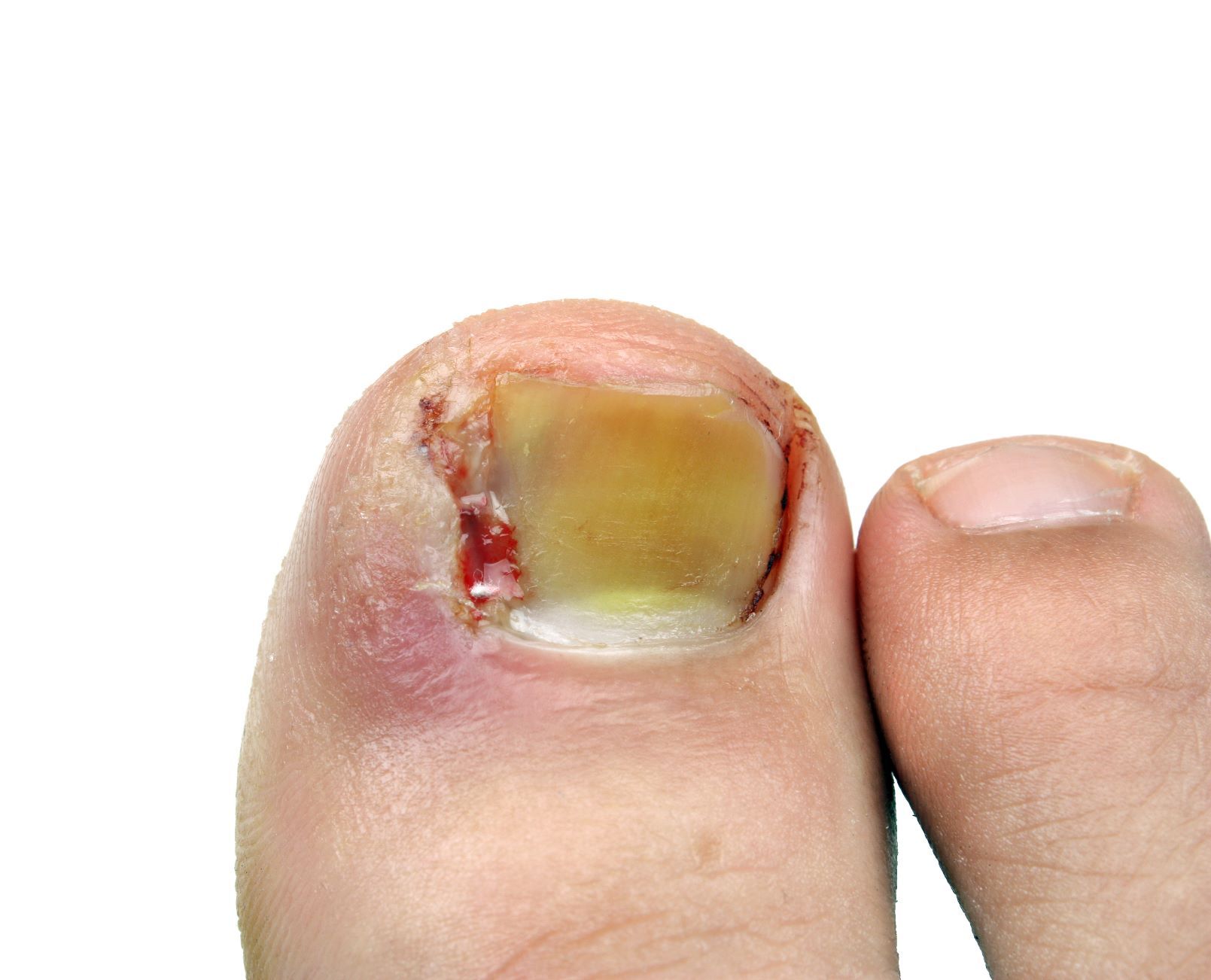
Early ingrown toenails can cause redness and swelling often as a result of hard keratin (nail) rubbing against the skin. In more advanced cases, the skin can become broken and infected, leading to pus, increased pain and sometimes overgrown tissue around the nail.
Ingrown toenails are common and easily treatable if identified early.
What causes ingrown toenails?
Cutting your toenails too short
One of the most common causes is trimming toenails too short.
When there is very little nail left beyond the end of the toe, the surrounding skin can begin to grow over the nail edge. When the nail subsequently grows, its edge can press into this skin and cause an ingrown toenail, particularly when combined with sharp nail edges caused by poor nail cutting.
For this reason, toenails are generally best trimmed straight across and not excessively short.
Cutting down the sides of your nails
It can be tempting to curve your toenails around the shape of your toe or cut down the corners to make them appear neater. However, this can create a sharp nail edge that grows into the surrounding skin.
How to trim your toenails correctly:
- Wash your feet using warm soapy water and dry them properly.
- Make sure your good quality toenail clipper is sharp and clean.
- Position yourself in good lighting.
- Hold your toe steady using your free hand and clip straight across.
- Avoid trimming right up to the nailbed or too close to the skin.
- Use a nail file to smooth any sharp or uneven edges.
If you have an ingrown toenail, it is important not to try to dig into the side of the nail or cut away the section that is embedded in the skin. Attempting to do this yourself can cause further trauma and increase the risk of infection. If a nail is already ingrown and painful, it is safer to have it assessed by a podiatrist.
Picking or pulling at your toenails
Picking at nails or attempting to tear away sections can damage both the nail and surrounding skin. Even a small injury can create an entry point for bacteria and make an existing ingrown toenail worse. This can also result in an uneven nail edge that is more likely to press into the skin as it grows.
If you find yourself tempted to pick at your toenails due to habit, then a good way to prevent this is to wear socks whenever possible.
Previous trauma to the toe
An injury can change the way a toenail grows. Dropping something on your toe, stubbing it, repeated pressure from sport, serious injury, or even ongoing trauma from footwear can damage the nail bed.
The nail may subsequently become thicker or grow at an unusual angle, increasing the likelihood of it becoming ingrown.
Genetics and natural nail shape
Sometimes, an ingrown toenail is not the result of anything you have done. Some people naturally have particularly curved or fan shaped nails, while others have nail or toe shapes that make the edges more likely to press into the surrounding skin. Your genetics can therefore influence your susceptibility to ingrown toenails.
If several members of your family experience them, you may have inherited a nail shape or foot structure that makes you more prone to the problem. In this instance, a podiatrist may be able to assess the shape of your toenail and provide the appropriate care instructions or treatment.
Poorly fitting footwear
Shoes that are too small or narrow can squeeze the toes together and place pressure against the sides of the nails. However, footwear that is too large can also allow the foot to slide around inside the shoe, creating repeated friction and trauma.
Likewise, the shape of the toe box can cause undue stress to your toes. The shape of a shoe should allow your toes enough room to sit naturally without being compressed.
This is particularly important if you spend long periods walking, standing, or exercising in your daily life.
Untreated fungal nail infections
An untreated fungal nail infection can cause a toenail to become thickened, brittle or distorted. As the nail changes shape and grows, it can become more difficult for it to grow normally, leading to an increased incidence of ingrowing toenails. A thickened or misshapen nail may therefore contribute to pressure against the surrounding skin and increase the likelihood of an ingrown toenail.
If you have changes to your nails that are the direct result of a fungal nail infection, it is worth having them assessed by an experienced podiatrist who can assess their condition and determine whether they require ongoing management.
Can your medical history make you more likely to develop an ingrown toenail?
Certain medical conditions do not necessarily cause ingrown toenails, but they can affect your susceptibility to foot problems or make complications more significant.
Diabetes
People with diabetes need to take particular care with foot problems. Diabetes can affect circulation, nerve sensation and impact on the immune system meaning an injury or infection may not always be noticed immediately or may take longer to heal.
If you have diabetes and develop an ingrown toenail, it’s really important you do not attempt to treat it yourself. Seek advice from an appropriate healthcare professional or podiatrist.
Nerve injuries
Nerve damage can reduce sensation in the feet. This can make it more difficult to notice pressure, irritation or injury caused by an ingrown toenail. This is another reason to seek professional assessment rather than attempting to cut into the nail yourself.
Other medical conditions
Some neurological or musculoskeletal conditions, including spina bifida, diabetes, spinal stenosis and deficiencies like vitamin B12 can affect the feeling in our feet. Some conditions affect movement, foot structure, or the ability to care for your feet independently. The signs of an ingrown toenail may take longer to notice if you have minimised sensation in your toes.
Depending on the individual, these factors may increase susceptibility to foot and nail problems or make self treatment less appropriate.
If you have a long term condition affecting your feet, circulation, sensation or mobility, your podiatrist can advise you on the safest approach to nail care.
Are ingrown toenails more common at certain ages?
An ingrown toenail can develop at any age, but certain age groups may be more susceptible.
Teenagers and young adults commonly experience ingrown toenails. Changes in activity levels, sweating, footwear, hygiene, and nail growth can all contribute, while sports can expose the toes to repeated pressure or trauma.
They can also occur in children, particularly where nail shape, footwear or nail cutting habits contribute.
For older adults, changes in nail thickness, foot shape, mobility and the ability to safely reach and care for the feet can increase the risk of problems.
Ultimately, there is no age at which you are immune from an ingrown toenail. The important thing is recognising the signs and knowing when professional care is appropriate.
How to prevent ingrown toenails
Although not every ingrown toenail can be prevented, a few simple measures can reduce your risk:
- Trim toenails straight across, rather than cutting deeply into the corners
- Avoid cutting nails excessively short
- Do not pick or tear at your toenails
- Choose shoes with sufficient room around the toes
- Avoid footwear that repeatedly presses against the sides of your nails
- Treat fungal nail problems appropriately
- Protect your toes from repeated trauma during sport and physical activity
- Seek professional advice if you regularly experience ingrown toenails
How are ingrown toenails treated?
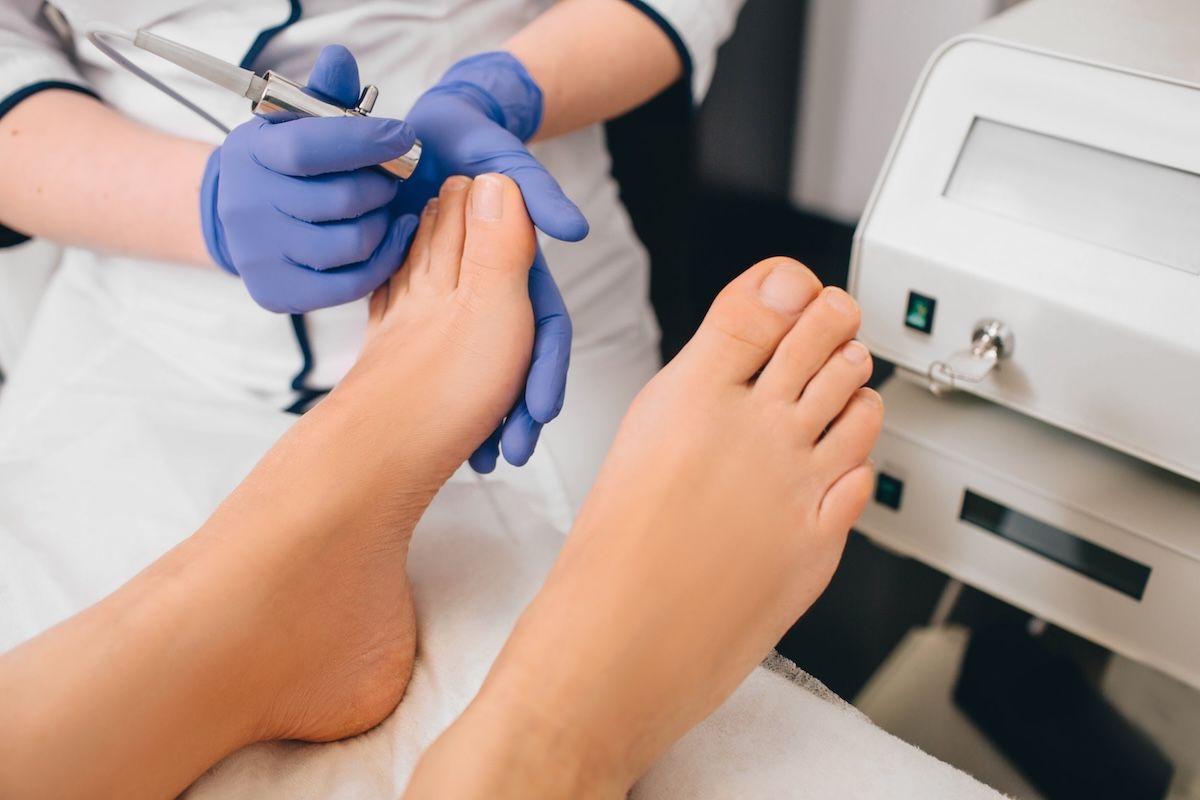
Treatment depends on the severity of the problem. In some cases, conservative care and changes to nail care or footwear may be enough. However, if the nail is deeply embedded, repeatedly becomes ingrown or causes significant pain and infection, ingrown toenail surgery may be recommended.
At
Tennant Podiatry, we offer the follow
ingrown toenail treatment options:
Mild ingrown toenail treatment:
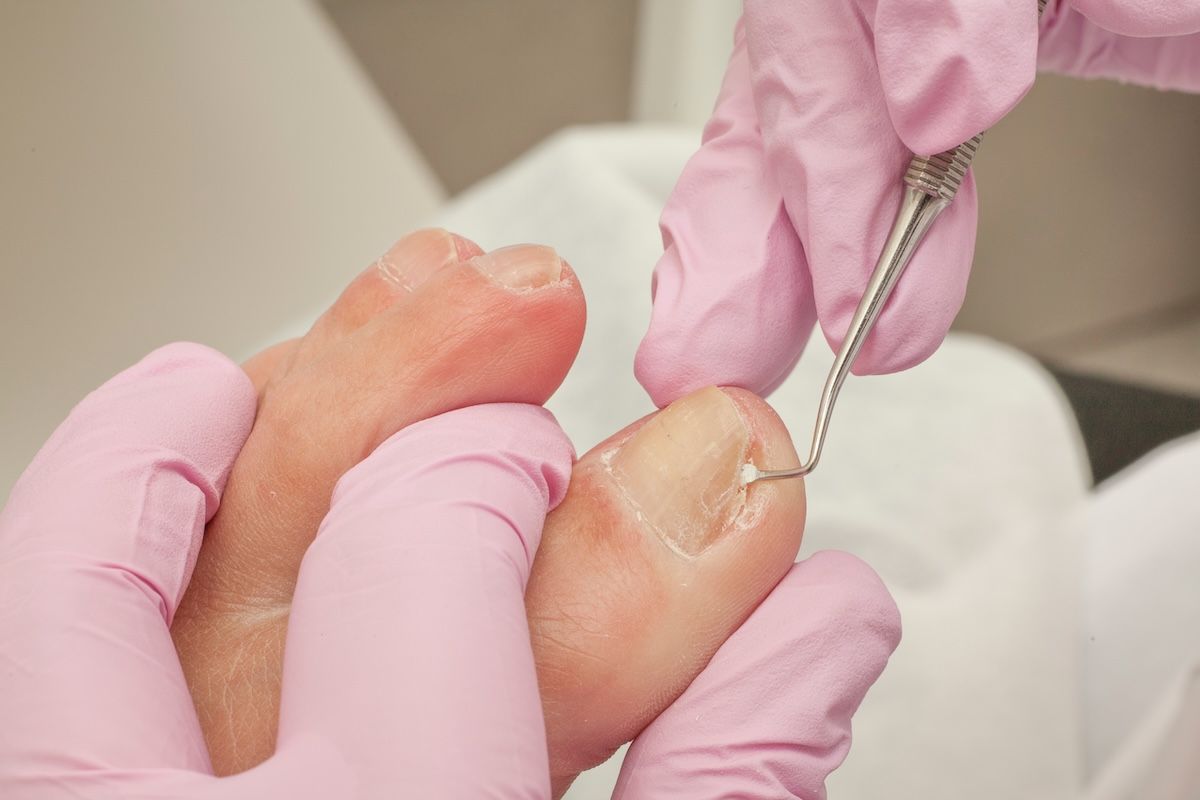
If early intervention is sought, then the nail can be painlessly trimmed back and expertly filed to remove rough edges to encourage healthy regrowth.
More advanced ingrown toenail treatment:
If it progresses beyond the mild stages, or the clinician and/or patient is concerned the procedure may be painful (the most common time people seek treatment), the nail spike can be removed from the tissue of the toe under local anaesthetic.
Severe ingrown toenail treatment (partial nail surgery): In some more advanced cases, or where the ingrown nail is reoccurring, the spike may be too deep to remove without surgical intervention. In this instance, a thin piece of one or both sides of the nail will be removed and, the area will undergo chemical cauterisation to prevent the nail spike (part of the nail that has ingrown) from growing back again.
Full surgical removal: In very severe or recurring cases, where the nail plate is deformed or permanently damaged due to trauma often, full nail removal may be recommended. This is only considered when the ingrown nail is very severe.
What to do if you get an ingrown toenail
If you notice tenderness, redness or swelling around the edge of a toenail, try not to panic. An ingrown toenail is a common problem and can usually be treated effectively.
The cause of your ingrown toenail is unlikely to change the fundamental treatment you need. Your podiatrist will assess how deeply the nail has entered the skin, whether infection is present, and whether the problem is recurring.
For a mild problem, you may simply need advice on nail care and footwear. For a more established or recurring ingrown toenail, a podiatrist may recommend removing the offending section of nail. This can relieve pressure on the surrounding skin and allow the toe to heal.
If your toe is increasingly painful, swollen, hot or red, or you notice pus coming from around the nail, you may have an infected ingrown toenail, your podiatrist can prescribe antibiotics.
Do not attempt to cut deeply into the nail or remove the affected section yourself. Seek professional medical or podiatric advice, particularly if you have diabetes, reduced sensation, circulation problems or another condition that can affect healing.
Ingrown toenail treatment with Tennant Podiatry
Ingrown toenails can feel excruciating and at times worrying but they are a very common and highly treatable condition. You do not need to wait for the pain to become severe or for signs of infection to appear before seeking help. In fact, early treatment is often the quickest and most comfortable way to resolve the problem and prevent it from returning.
At
Tennant Podiatry, we have over 40 years experience with
ingrown toenail surgery performing numerous procedures every year with excellent cosmetic results and permanent relief from the symptoms of an ingrowing nail. If you are concerned about symptoms of a new or recurring ingrown toenail, we provide compassionate, professional support to relieve your pain and prevent recurrence. Book your appointment today.