How to identify verrucae
What Is a Verruca?
A verruca, also known as a plantar wart, is a small growth that develops on the sole of the foot. It is caused by the Human Papillomavirus (HPV), which enters the skin through tiny cuts or abrasions. Verrucae are particularly common in children, teenagers, and people who regularly use communal areas such as swimming pools, changing rooms, gyms, and shared showers.
Because verrucae develop on weight bearing areas of the foot, they are often pushed inwards by pressure when walking, making them appear flatter than warts found elsewhere on the body.
If you suspect you have a verruca on your foot then it is always best to have it seen by a professional podiatrist, but identifying it from home can give you peace of mind. Here at
Tennant Podiatry, we have outlined the major warning signs that you have a verruca and how to distinguish it from other foot conditions.
What does a verruca look like?
Although verrucae can vary in appearance, there are several key signs that podiatrists look for when identifying them.
Small black dots
One of the most recognisable signs of a verruca is the presence of tiny black dots within the lesion. These are small blood vessels that have become trapped within the verruca.
Not every verruca will display obvious black dots, particularly in its early stages, but when they are present, they are a strong indicator that you are dealing with a verruca rather than a corn or callus.
A rough or cauliflower like surface
Verrucae often have a rough, grainy texture and may resemble a small cauliflower like growth on the sole of the foot. In some cases, hard skin develops over the top, making them more difficult to identify without professional assessment.
Interrupted skin lines
One of the clearest ways to identify a verruca is by looking at the natural lines (like a fingerprint) in your skin.
With healthy skin, these lines continue uninterrupted across the foot. A verruca breaks these lines, causing them to stop at the edge of the lesion and continue around it.
Corns and calluses, by comparison, usually allow the skin lines to pass straight through.
Pain when walking
Many people describe a verruca as feeling like they are walking on a small stone or pebble. Because the verruca is pushed into the foot by body weight, pressure can make it uncomfortable when standing or walking.
Verruca or corn?
One of the most common questions podiatrists receive is whether a painful lesion is a verruca or a corn. A useful way to distinguish between the two is how the pain responds to pressure:
| Verruca | Corn |
|---|---|
| Often painful when squeezed from the sides | Usually painful when direct pressure is applied from above |
| May contain black dots | Does not contain black dots |
| Interrupts natural skin lines | Skin lines continue through the lesion |
| Can spread to other areas | Does not spread |
This isn't a foolproof test, but it can provide a useful indication of what you're dealing with.
Can verrucae spread?
Yes. Because verrucae are caused by a virus, they can spread to other areas of your foot and occasionally to other people.
The virus tends to thrive in warm, damp environments and can be picked up through direct contact or contaminated surfaces such as changing room floors and poolside areas.
For this reason, it is recommended to:
- Avoid picking or scratching a verruca
- Wear footwear in communal changing areas
- Avoid sharing towels
- Cover the verruca if participating in activities where bare feet are common
When should you see a podiatrist?
Although some verrucae disappear naturally over time, others can persist for months or even years. A podiatrist can accurately diagnose the lesion and recommend the most suitable treatment based on its size, location, and severity.
Professional assessment is particularly beneficial if:
- The verruca is painful
- It is affecting the way you walk
- It is spreading or multiplying
- Home treatments have not been successful
- You are unsure whether it is a verruca or another foot condition
What treatments are available for verrucae?
Treatment options for verruca may include topical therapies (useful when a verrucae is very small) or specialist podiatry treatments, depending on the stage of the verruca and how long you’ve had it. Even small verrucae can be stubborn to topical at home treatments, and this is usually a sign that they need more extensive treatment like cryotherapy or microwave therapy.
Don't ignore a persistent verruca
While verrucae are usually harmless, they can become painful and spread to other areas of the foot. The earlier a verruca is identified, the easier it is to assess the most appropriate treatment option.
If you're unsure whether you have a verruca or would like advice on treatment,
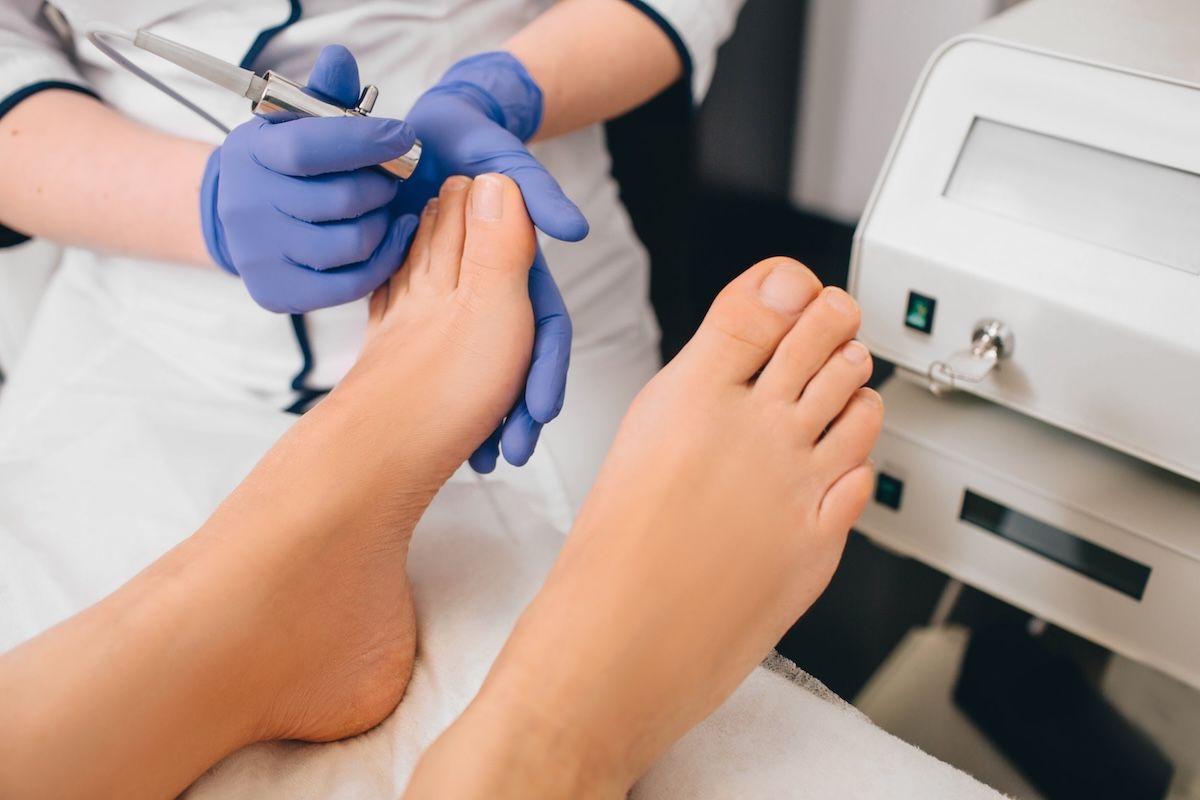
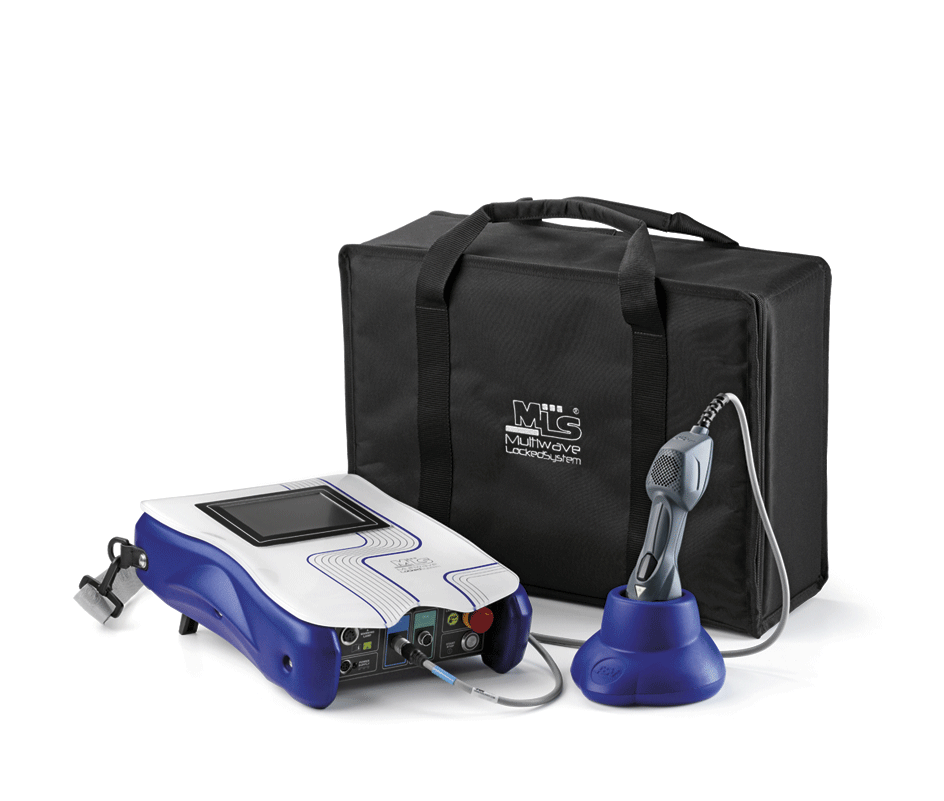
Tennant Podiatry is by your side. Our accredited podiatrists treat all foot troubles and lower limb conditions with access to state of the art facilities and a comprehensive understanding of how feet are interconnected with the rest of the body. We provide verruca treatments using the latest technology, Swift Microwave Therapy, a cutting edge approach that's accurate, quick and yields exceptional results even for stubborn cases that have been troubling patients for years.
We also offer Cryotherapy and Verrucae needling, so that we can provide solutions no matter how severe and established the verrucae or wart.
Many people don’t realise that Podiatrists are also fully qualified to treat warts on hands and feet. Many patients are embarrassed by warts, particularly periungual warts (around and under the nail) on hands and we have excellent outcomes.
Free verrucae assessments are available online on our website
Contact Tennant Podiatry
|
Podiatrist near me Oldham, Lancashire A free of charge quick 15 min consultation with no pressure or obligations to discuss effective solutions to these embarrassing lesions, allowing you to walk away and make an informed decision.
Our aim is always to make your life more comfortable through effective, informed treatment.
Contact us today or call our friendly reception team on 0161 7681667