A Complete Guide to Verruca Treatment

Verrucas, known as plantar warts, are caused by the human papillomavirus (HPV) that most commonly develop on the feet but can also be found on the feet and, in rare cases, other areas of the skin. They are contagious and spread through direct contact with contaminated surfaces. For this reason, you are most likely to catch a verruca if you spend time in an area where your bare foot is exposed like public changing rooms, swimming pools, school dance studios, gyms, and spas.
There is an additional risk if the surface of your foot is wet because this softens the natural barriers of your skin and creates accessible breaks for the virus to enter.
No matter how you contracted the virus, you may need to seek professional treatment. But how exactly does
verruca treatment work and when should you be concerned?
Tennant Podiatry explains everything you need to know below.
How to identify a verruca
Verruca vary in appearance from case to case and person to person, but the following can be helpful signs that you have a verruca:
- Small black dots: Verrucas trap small blood vessels which give the appearance of small black dots within the lesion.
- Cauliflower surface appearance: Verrucas form a rough, cauliflower like surface that can become flattened over time due to the pressure placed on the lesion.
- Interrupted skin lines: Verruca causes breaks in the natural lines of your skin.
- Discomfort when walking: Stepping on a verruca can feel like walking with a small pebble in your shoe, but this is case dependent.
These are not definitive and if you are ever in doubt, you should seek diagnosis from a professional so the growth can be treated appropriately.
Can you treat a verruca from home?
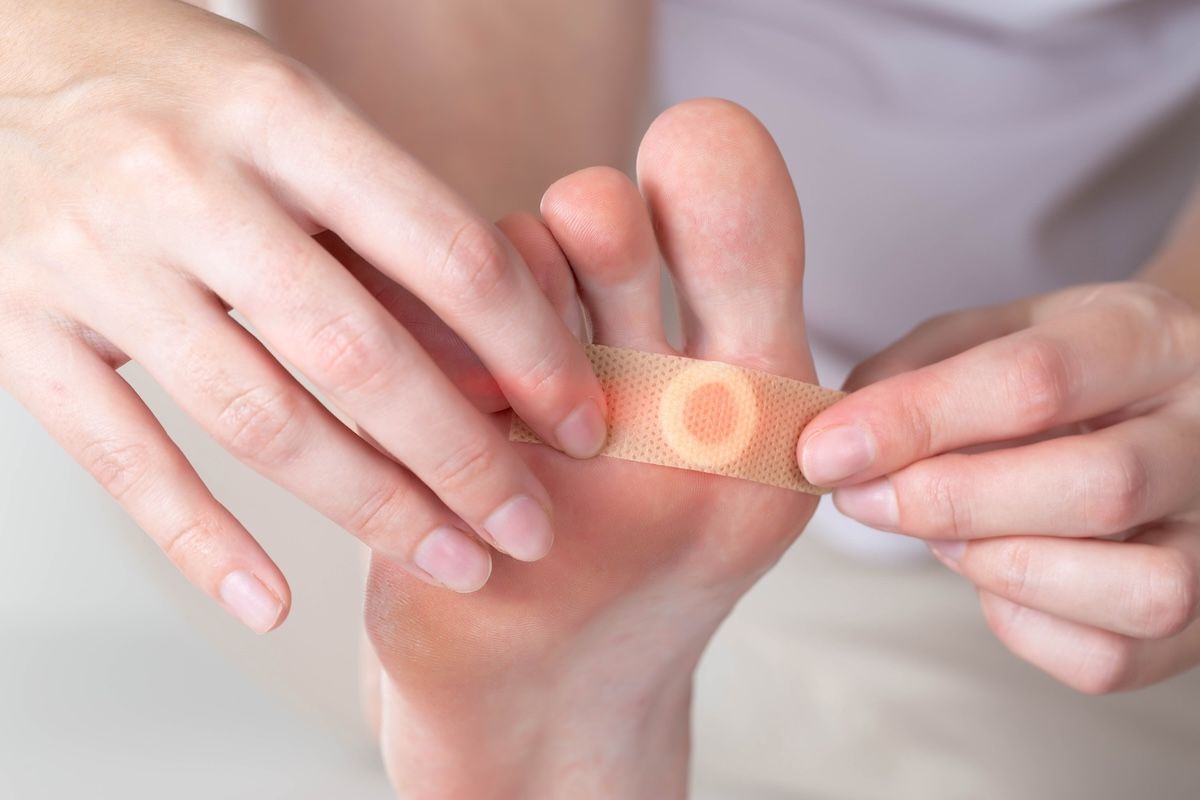
Many verrucas in the early stages are diagnosable and treatable from home with over the counter treatments. These can be purchased at high street pharmacies and from most supermarkets. Often, these are gels or plasters containing salicylic acid, or at home cryotherapy (freezing) kits. Obviously make sure you are certain you are treating a verrucae and not something more sinister. We offer free verrucae consultations if in doubt where an expert Podiatrist will diagnose it and have access to a dermatoscope if you are in any doubt.
At home treatments require multiple applications in most instances.
Why hasn’t my verruca gone away with home treatment?
Verrucas ‘hide’ from the immune system by forming in the outer layers of the skin. Our immune systems are naturally very good at fighting off the HPV virus, but it can take a significant period of time for it to identify that it is present.
When should you have a verruca diagnosed professionally?
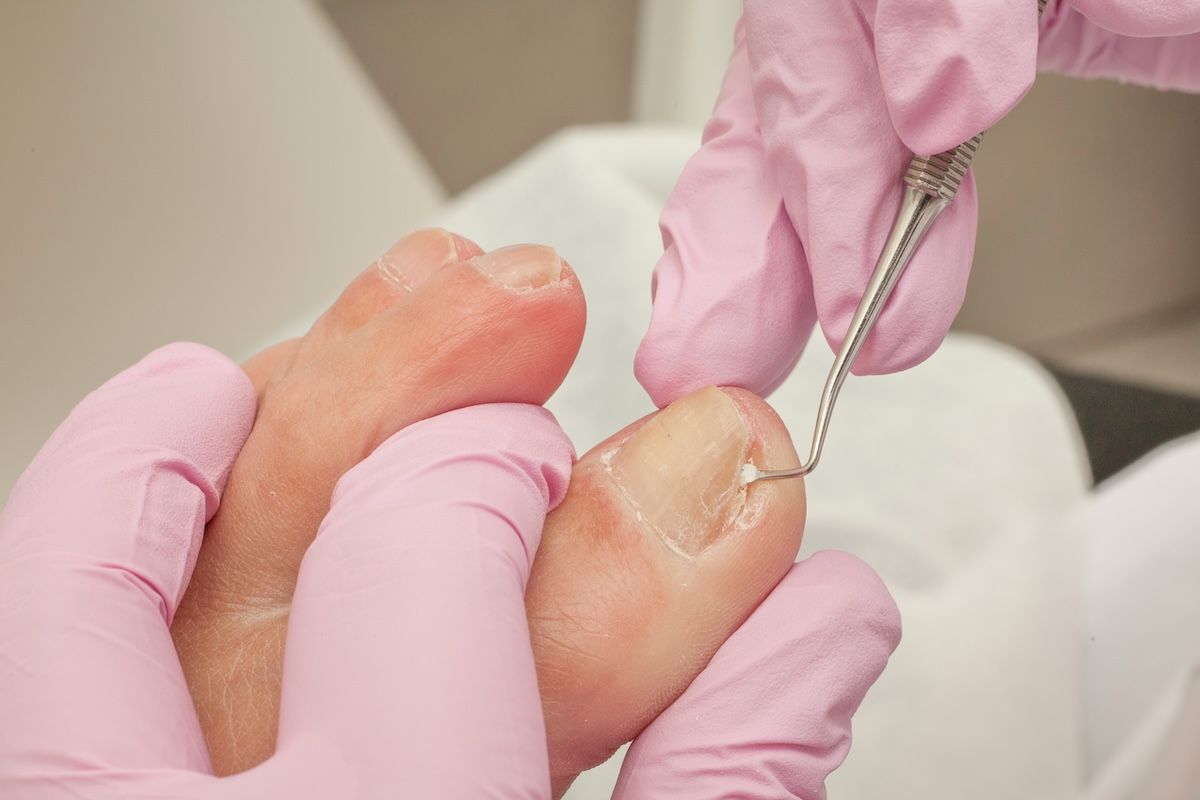
A podiatrist can assess the lesion and discuss the treatment options available. Consider speaking to a podiatrist if:
- You're unsure whether the lesion is a verruca
- It's painful when walking
- It has been present for a long time
- It appears to be getting larger
- You have developed several verrucas
- It has spread to another area
- Home treatment hasn't worked
- The verruca is affecting your confidence or daily activities
- You're concerned about a lesion on your hand, finger or around a nail
At
Tennant Podiatry, we offer free
verrucae assessment to discuss the lesion and potential treatment plan before treatment takes place.
What are the treatment options for verrucas?
Salicylic acid and topical treatments
Topical treatments are commonly used to gradually remove affected layers of skin. They can be useful for some smaller verrucas, but they generally require repeated application over a period of time. Patience and consistency are important. If you have sensitive skin, are immunosuppressed or have poor tissue viability (due to bad circulation, diabetes etc) do not use these treatments. Pregnant or breast feeding mums should avoid them too. If in doubt see professional Podiatrist,
If a verruca is particularly stubborn or has already failed to respond to topical treatment, a podiatrist may recommend considering another approach.
Cryotherapy
Cryotherapy is a freezing treatment. It is an established treatment option for warts and verrucas and uses nitrous oxide, the verruca is frozen to around -90 degrees centigrade which destroys the virus and the tissue it has taken.
This treatment is effective roughly 70% of the time and can therefore require multiple treatment sessions. This experience can vary from person to person, and your podiatrist can explain what to expect before treatment.
Verruca needling
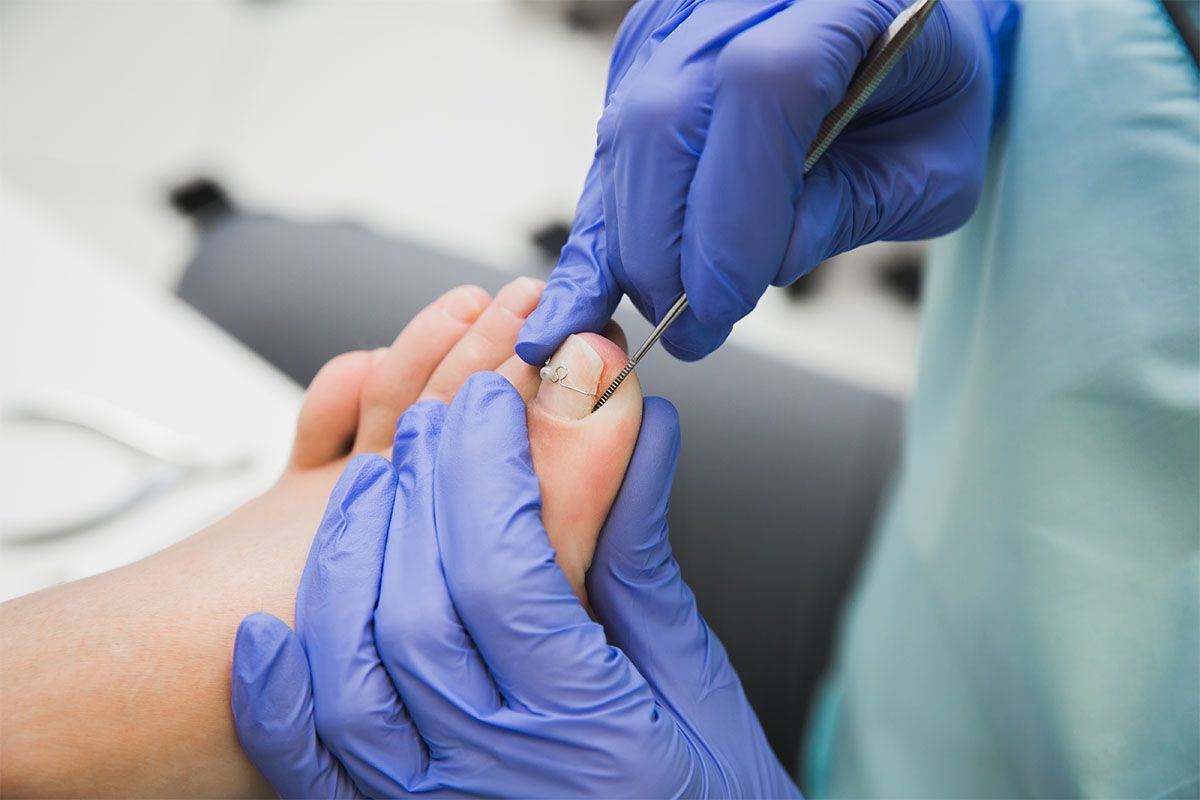
Verruca needling may be considered for persistent lesions. It involves using a needle to disrupt the affected tissue, with the aim of encouraging the body's immune response.
It isn't necessarily appropriate for everyone, and many podiatrists will offer more effective and fast acting treatments instead.
Swift Microwave Therapy
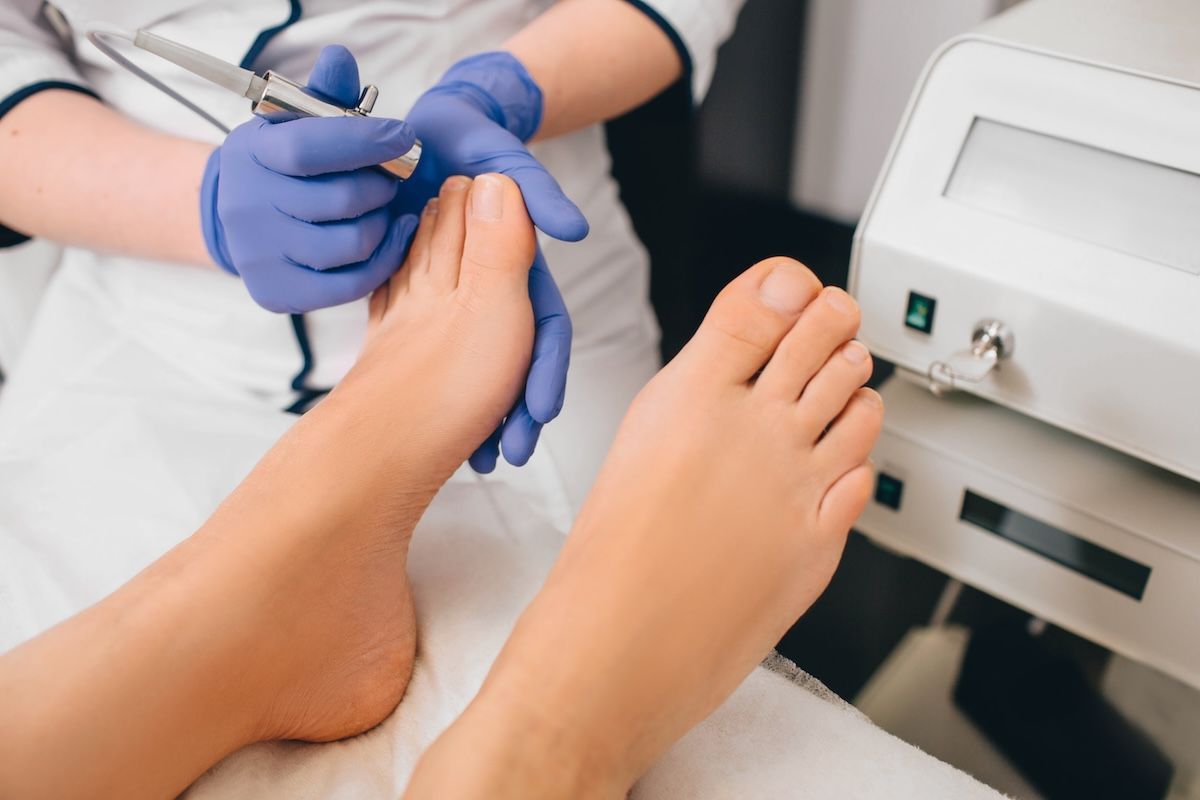
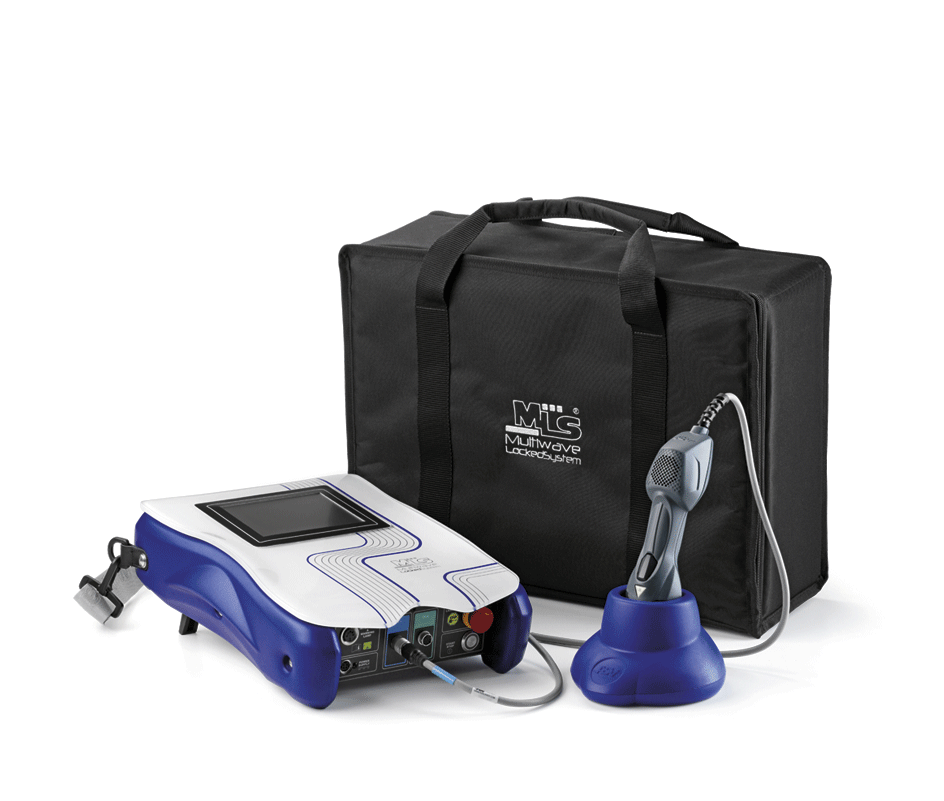
Swift Microwave Therapy is a specialist treatment that uses microwave energy delivered through a probe placed against the affected skin. Swift was developed in the UK and licensed for the treatment of skin lesions in podiatry and dermatology. The energy is delivered very precisely to the affected tissue.
At Tennant Podiatry, Swift has been used since 2013 and is a key treatment offered for verrucas and warts, including stubborn cases.
What is Swift Microwave Therapy?
Swift Microwave Therapy is designed to treat the affected tissue without the need for surgical removal.
During treatment, microwave energy is delivered through a specialist probe. The energy raises the temperature within the targeted tissue, causing localised cellular damage and stimulating an immune response.
Does Swift Microwave Therapy hurt?
Swift Microwave Therapy can cause a sharp, hot sensation that some patients describe as a shock, but it quickly subsides. This is unlike other treatments where pain can be prolonged.
If you find the first treatment too painful, we can discuss the application of topical anaesthetic for further treatments.
How many treatments will you need?
Swift Microwave Therapy is proven to treat 85% of verrucas within 1–3 treatments. The number of treatments required will vary depending on a number of factors including your immune system response and age as well as the size and length of time you have been affected by the verruca.
If more than one treatment is required, the interval between treatments will depend on your response. Your podiatrist will advise you based on your individual response.
How much does Verruca Treatment cost?
Swift Microwave Therapy costs £175 per treatment.
What happens after verruca treatment?
You shouldn’t expect the verruca to disappear immediately after the appointment. The treatment is intended to trigger a response within the affected tissue, with your immune system then playing an important part in the process.
The treated area may feel tender afterwards. However, this shouldn't stop you from carrying out normal daily activities. In a small proportion of cases—around 5%—a raised blood blister can develop following treatment. In either of these cases, seek advice from your podiatrist as soon as possible. They will give you appropriate advice based on the treatment you have received.
How long does it take for a verruca to go away after treatment?
This varies considerably as individual immune systems will work at different rates. Your podiatrist will monitor your progress and adapt treatment accordingly. If you have any concerns, it is always best to ask.
Will the treatment leave scarring?
No. One of the benefits of Swift Microwave Therapy is that it is discreet.
You should only experience scarring from a verruca if you have attempted to remove it yourself by cutting or burning away the affected tissue.
Is professional verruca treatment suitable for children?
Due to the nature of Swift Microwave Therapy, it is understandable to have concerns about how it might impact your children. It needs to be considered carefully because some verruca treatments can be uncomfortable.
At Tennant Podiatry, we treat children but always advise that, because verruca treatments can involve some discomfort, it may be preferable to wait until a child is old enough to cope with treatment. We also would suggest topical treatments as a first line option for children because a child’s immune response is often more effective at fighting HPV and will respond better to them than an adult might.
If you are concerned about a persistent verruca on your child, contact a podiatrist who will be able to assess the verruca and determine whether a more substantial treatment method might be necessary.
Who shouldn’t receive verruca treatment?
It is very rare that verruca treatment is unsuitable, but there are instances when we might be cautious. This is often if you have a skin condition that could be made worse by the application of Microwave Therapy. An assessment by a podiatrist or dermatologist is therefore important before treatment, as is a professional assessment of the affected area.
How long does it take to treat a verruca?
Swift Microwave Therapy itself can take a matter of seconds, but the healing time will vary.
Is a verruca more contagious during the treatment process?
Your verruca will not be any more contagious as you undergo treatment. But, you should be wary that it will still be contagious and therefore take precautions to prevent it spreading.
How to prevent verrucas from spreading
Because verrucas are caused by a virus, taking sensible precautions can help reduce the risk of spreading them to other areas or to other people.
You should:
- Avoid picking or scratching the verruca
- Keep the affected area covered when appropriate
- Avoid sharing towels, socks or personal items that come into contact with the lesion
- Wear suitable footwear like a medical sock in communal changing rooms and showers
- Take care around swimming pools and other communal wet environments
- Avoid unnecessary direct contact with the affected area
Do verrucas go away on their own?
Yes, verrucas can go away when your immune system begins fighting the virus. However, this can take anywhere from a month to several years and put other people at risk of contracting the virus.
What happens if a verruca is left untreated?
Although a verruca will go away on its own over a period of time, this can take multiple years. In this time, the verruca may continue to grow and multiply on your skin, grow painful, and you will be putting others at risk of catching the virus.
For this reason, you should seek to remove them where possible.
What to avoid doing to a verruca
Because it can take some time for a verruca to disappear, it can be tempting to touch it and try to ‘help’ the process along from home. However, you should not:
- Cut it out yourself
- Dig into it
- Use sharp instruments
- Pick at it
- Burn it
These will not treat the verruca and can help it spread to other areas of the foot or risk contagion through shedded skin.
Book a free verruca consultation
If you have a stubborn verruca and home treatments haven’t successfully removed it, or you notice a verruca growing or multiplying, contact your local podiatrists for assessment and treatment.
Tennant Podiatry has been providing podiatry and chiropody services for more than 45 years and is based in Oldham, Manchester. We offer a free verrucae consultation, giving you the opportunity to discuss your symptoms and understand which treatment options may be appropriate for your circumstances including
Swift Microwave Therapy.
Our practitioners are fully insured and accredited members of the Royal College of Podiatry, with HCPC registered practitioners within the practice.