What are the Best Treatments for Fungal Nail Infections?
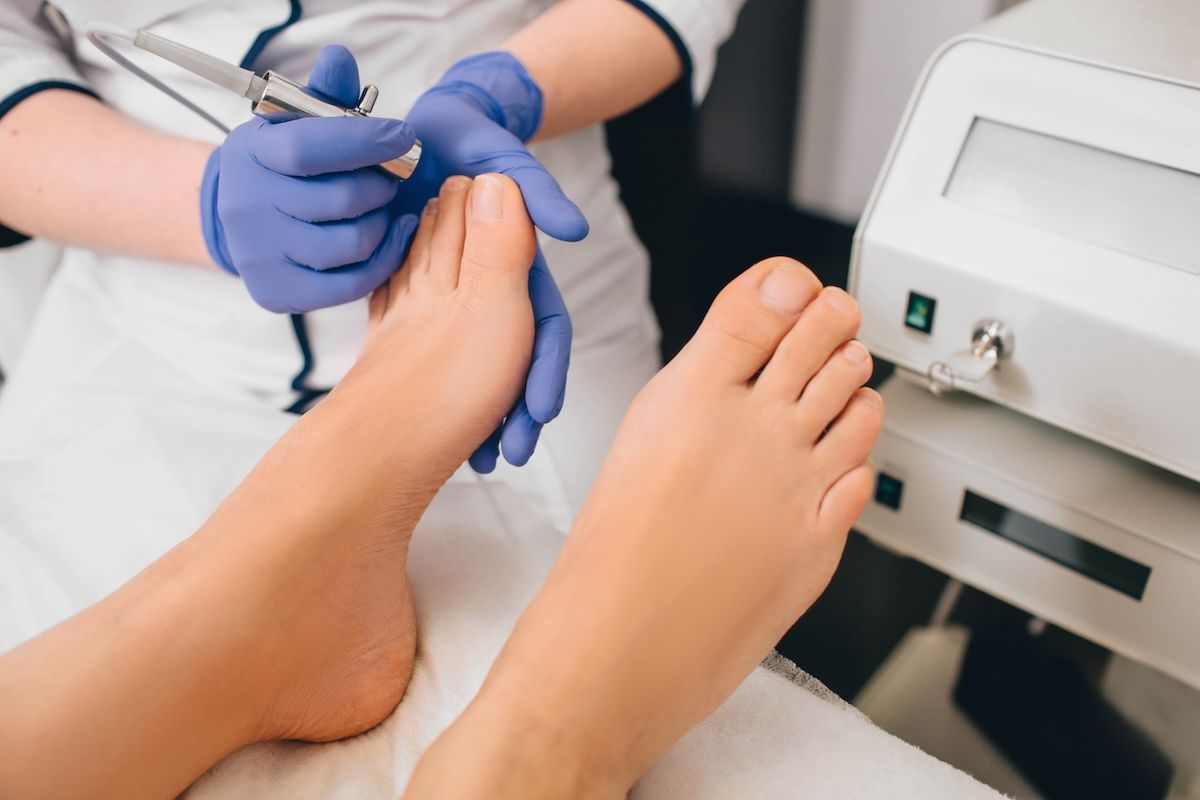
There are several approaches to fungal nail treatment, and the most appropriate option depends on the extent of the infection and your individual circumstances. At Tennant Podiatry, we are proud to be endorsed by Clearanail CEO Dr Rolf Thomas as their first centre of excellence for treatment of fungal nail. We use a combination of treatments including the latest technology from Clearanail, Lunula Laser® and Urea treatment. For complex or very severe cases we have expert surgical nail removal, allowing our podiatrists to recommend treatment based on the condition of your nails. So, which fungal nail treatment is the best? We discuss below.
What is a fungal nail infection?
A fungal nail infection, medically known as onychomycosis, occurs when fungi infect the nail and the tissue underneath it. It can affect one nail or several nails and is particularly common in toenails.
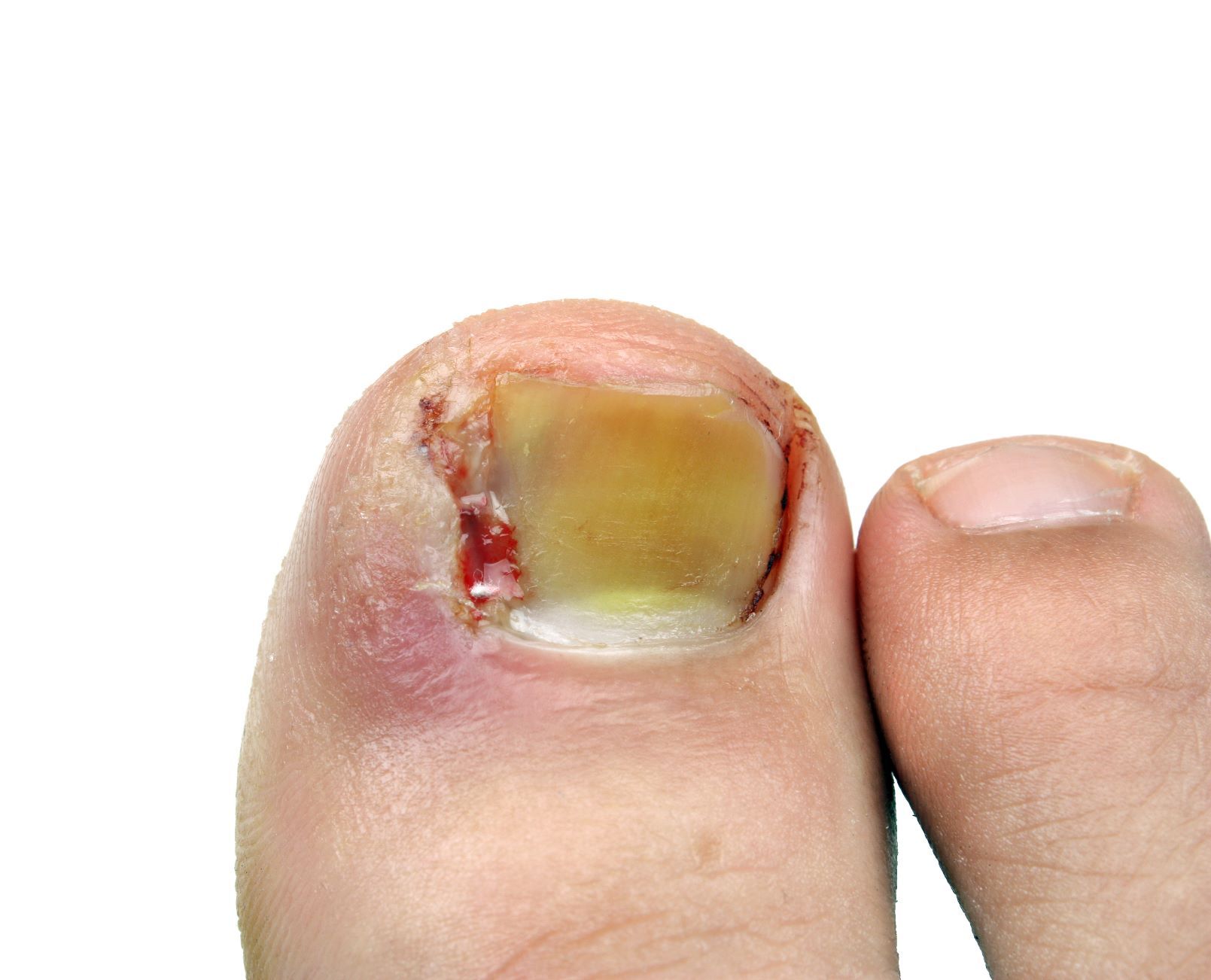
Typical signs include:
- Yellow, white or brown discolouration
- Thickened nails
- Brittle or crumbly nail edges
- Changes to the shape or texture of the nail
- Nails becoming difficult to cut
- Separation of the nail from the nail bed
- Occasionally, discomfort when wearing shoes
What is the best fungal nail treatment?
There isn't one treatment that is automatically the best fungal nail treatment for every nail at every stage of infection.
The right approach depends on factors such as:
- How many nails are affected
- How extensively the nail has changed
- Whether the infection has reached the nail bed
- How thick the affected nail has become
- Your general health and medical history
- Previous treatments you've tried
- Whether you want to avoid oral medication
- How quickly you would like to address the problem
At Tennant Podiatry, we have a wealth of experience in the application of Clearanail treatment and Lunula Laser®, as well as partial or full surgical removal of the nail. In some cases, a combination of treatments may be considered.
Clearanail Treatment
One of the difficulties in treating fungal nail infections is that the fungus is located beneath a thickened nail. Simply applying medication to the surface may make it difficult for sufficient treatment to reach the affected area, this is why topical treatments alone often fail.
Clearanail uses a computer controlled device to create tiny channels through the nail plate. The manufacturer describes these as approximately 0.4 mm in diameter, but we have recently upgraded to the latest device which painlessly drills 0.6mm diameter holes dramatically improving the absorption of topical treatment under the nail plate. This provides access through the nail, allowing topical antifungal medication to target the infection.
At Tennant Podiatry, when we perform a Clearanail treatment it is combined with a mycology nail test to identify the specific fungus we are treating. We can then use the most effective topical available to specifically treat your infection. How does Clearanail work?
Your podiatrist will first prepare the nail before using the Clearanail device to create the controlled openings. The process is computer controlled, meaning the depth of penetration is carefully regulated.
Topical antifungal medication can then be applied so it has a route towards the infected area beneath the nail.
Does Clearanail hurt?
This is understandably one of the first questions people ask.
Clearanail uses a computer controlled system where a sensor instantly detects when the cutter penetrates the nail and retracts the cutter. This, prevents it from reaching the skin underneath. The process is painless and patients are generally unlikely to feel the micro penetrations being made.
This means there is no need for the type of local anaesthetic normally associated with a surgical procedure.
How long does Clearanail take?
The micro penetration process takes approximately 30 minutes, although your overall appointment may take longer depending on assessment, nail preparation and treatment.
One treatment is often sufficient, although more established infections may require another session. Follow up appointments allow your podiatrist to monitor how the nail is progressing.
How quickly will I see results?
Clearanail reports that visible improvement can sometimes be seen within 2–8 weeks.
However, this should not be interpreted as meaning that a completely healthy nail will grow within eight weeks. The nail has to physically grow out. Toenails grow slowly (a big toe nail takes 12 months to grow from the cuticle to the top), so the damaged portion can remain visible for months while healthy nail gradually replaces it.
You should not be discouraged if your nail doesn’t look completely normal immediately after treatment.
Will I need to apply anything at home?
Yes. Clearanail is designed to provide access to the nail bed so that an appropriate topical treatment can be applied to the affected area. Your podiatrist will explain exactly what you need to use and how often.
You may also be advised to treat fungal infection affecting the skin and to address potential sources of reinfection, including footwear and socks. Clearanail specifically recommends considering treatment of the skin, shoes and socks as part of the process.
Lunula Laser®
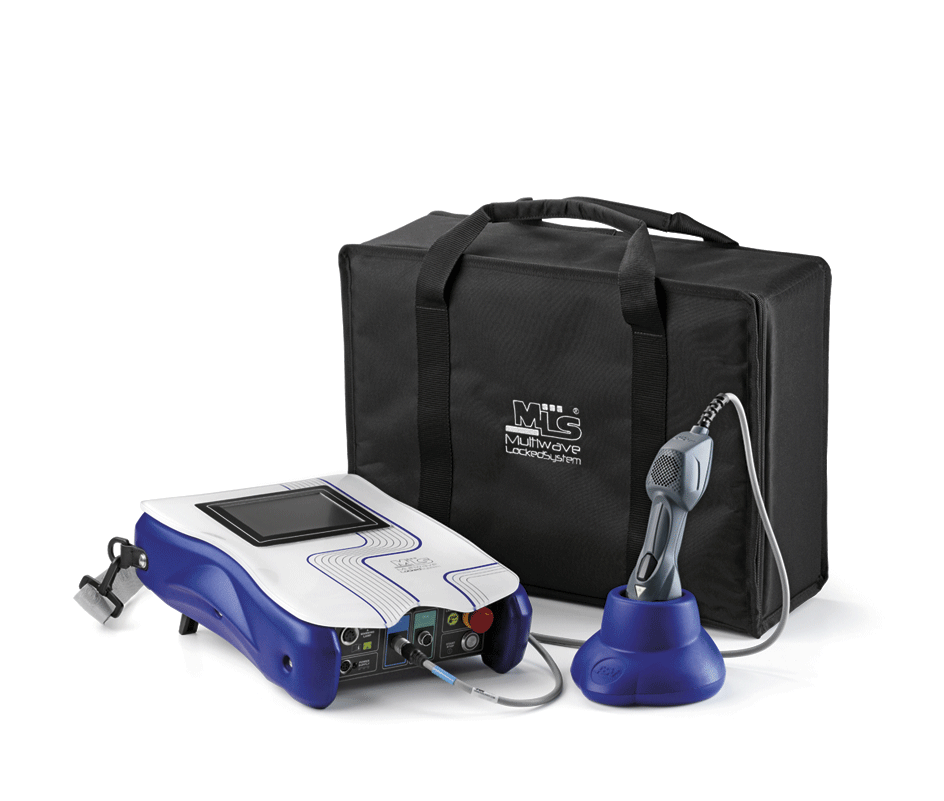
Lunula Laser® is a revolutionary, FDA approved, low level laser therapy for people suffering from painful, discoloured and disfigured toenails associated with nail fungus. It is one of the least invasive forms of fungal nail treatment
What happens during a Lunula Laser® appointment?
There is no complicated preparation or invasive procedure involved.
The affected area is exposed to the laser and the treatment is delivered directly over the nail. Sessions take approximately 12 minutes, with as few as four sessions potentially required depending on the individual case.
For moderate or more severe infections, the nail may first require preparation. A urea ointment may be applied beforehand to help remove diseased nail tissue and allow the treatment to be delivered more effectively.
Is Lunula Laser® painful?
Lunula Laser® is designed to be a comfortable, non-invasive treatment. The treatment is painless and does not require downtime. That can make it an appealing option if you have a phobia of needles.
How many treatments will I need?
As few as four 12 minute sessions may be sufficient, but the appropriate treatment plan depends on the extent of the infection and the condition of the nail.
Your podiatrist will explain how many sessions they recommend following assessment rather than asking you to commit to a predetermined course before your nails have been examined.
How soon will my nails look better?
Even if treatment successfully addresses the fungal infection, the damaged portion of your existing nail does not suddenly disappear.
Healthy nail growth can take 12 months to grow out, meaning that the appearance of the nail can continue to improve long after the treatment sessions themselves have finished.
What happens after Lunula Laser®?
There is no significant recovery period associated with the laser treatment itself, meaning you can generally return to your usual activities.
However, you still need to follow the aftercare and hygiene advice provided by your podiatrist.
Most importantly, remember that the appearance of the nail will change gradually as healthy nail grows.
Surgical Nail Removal
Surgical removal involves removing the affected nail under local anaesthetic. This is generally only considered an option for severe cases, with treatment of the underlying fungal disease and, where appropriate, Lunula Laser® used afterwards as part of a more comprehensive approach.
The prospect of having a toenail removed can understandably sound daunting. However, local anaesthetic means the toe is numbed during the procedure, and your podiatrist will talk you through what is going to happen beforehand.
Why would removing the nail help?
A severely thickened nail can make it difficult to access the tissue beneath it. Removing the affected nail provides greater access to the nail bed and allows the fungal infection to be addressed more directly.
For particularly established infections, this ‘belt and braces’ approach is combined with further treatment aimed at addressing fungal disease and reducing the likelihood of reinfection.
Will my toenail grow back?
The intention in this type of procedure is generally to allow the nail to regrow. Your podiatrist will explain what to expect based on the particular nail being treated.
Is surgery the most effective option for severe fungal nails?
Not necessarily in every case, which is why thorough assessment is crucial.
Surgery is a more invasive treatment than Clearanail or Lunula Laser®, so it is something your podiatrist will only consider where the condition of the nail makes it appropriate.
The aim is always to select the treatment that makes sense for your nail, your infection and your circumstances, rather than assuming that the most invasive treatment must also be the most effective.
Clearanail vs Lunula Laser® vs Surgical Removal
| Treatment | How it works | Invasive? | Anaesthetic? | Best suited to: |
|---|---|---|---|---|
| Clearanail | Creates controlled openings in the nail for topical antifungal medication. | Minimally invasive. | Usually not required. | Patients wanting targeted access to the nail bed. |
| Lunula Laser® | Applies laser light through the nail. | No. | No. | Patients seeking a non-invasive treatment. |
| Surgical Removal | Removes the affected nail to access the nail bed. | Yes. | Local anaesthetic applied. | More severe or extensively affected nails. |
How should you prepare for fungal nail consultation?
There is no need to be embarrassed about attending a fungal nail appointment. These infections are common, and assessing nails is a routine part of podiatric care. However, before your appointment, there are a few things that can make the assessment easier:
1. Don't cover the nail with cosmetic polish:
If possible, arrive with the affected nail free from nail varnish, gel or acrylic products. Your podiatrist needs to see the condition of the nail clearly.
2. Don't file or cut the nail beforehand: It can be tempting to make a thick or discoloured nail look better before your appointment, but avoid removing large amounts of nail yourself. The existing nail can provide useful information about the extent of the infection.
3. Bring information about previous treatment: If you have tried antifungal creams, nail lacquers, tablets or other treatments, let your podiatrist know. Even if something didn't work, that information can help when deciding what to try next.
4. Tell your podiatrist about your health and medication: Your medical history can influence treatment decisions. Make sure your podiatrist knows about relevant health conditions and any medication you take. This is particularly important if you are considering a treatment that involves medication or surgery, or if you have a condition like diabetes that puts you at higher risk of infection.
5. Bring your usual footwear if requested: If your podiatrist is concerned about pressure, trauma or footwear contributing to your nail problem, bringing the shoes you regularly wear can be helpful.
What happens after fungal nail treatment?
Following your fungal nail treatment, you will need to adhere to aftercare advice and small lifestyle adaptations that will help the treatment take effect and prevent recurrence.
Your podiatrist will give you specific instructions based on the treatment you have received, but you may be advised to:
- Keep your feet clean and dry
- Follow any topical antifungal treatment exactly as instructed
- Treat athlete's foot if you have it
- Change socks regularly and avoid artificial fibres.
- Allow shoes to dry properly between uses (2-3 days between use)
- Consider appropriate antifungal treatment for footwear where recommended
- Avoid sharing nail clippers, towels or footwear
- Avoid picking or damaging the nail as it grows
- Attend any recommended follow up appointments
Which treatment is right for me?
If you're comparing Clearanail vs Lunula Laser® vs nail removal, it can be tempting to choose based on whichever treatment sounds newest or least invasive. But the right treatment will always be the one that is most appropriate for your stage of infection. This can only be determined following an appointment with an experienced podiatrist. Often combination of treatments are needed to achieve the desired outcome.
They will consider how much of the nail is affected, how thick it has become, whether the infection is confirmed and what type of infection you have,, whether other nails or the surrounding skin are involved, your medical history and what you have already tried.
At Tennant Podiatry, having access to Clearanail, Lunula Laser® and surgical treatment means there are several routes available. Your assessment can therefore be about finding the right solution rather than fitting your problem into a predetermined treatment. You also have the reassurance that our practice is accredited by the Royal College of Podiatry and a designated centre of excellence by Clearanail.
If you do have concerns about needles or surgery, don’t be afraid to mention this at your appointment where your podiatrist will be able to clearly discuss your options and how treatment can be made more accessible to you.
Take the first step towards healthier nails
Fungal nail infections can be persistent, but they are not something you simply have to put up with. Whether your nails have recently started changing or you have been dealing with thickened, discoloured nails for years, a professional assessment can help you understand what is happening and what your options are.
At Tennant Podiatry, you can discuss Clearanail, Lunula Laser® and surgical fungal nail treatment with an experienced podiatry team, with the appropriate approach selected according to your individual needs.
If you're ready to find out which
fungal nail treatment could be right for you, arrange your free assessment with
Tennant Podiatry today.